
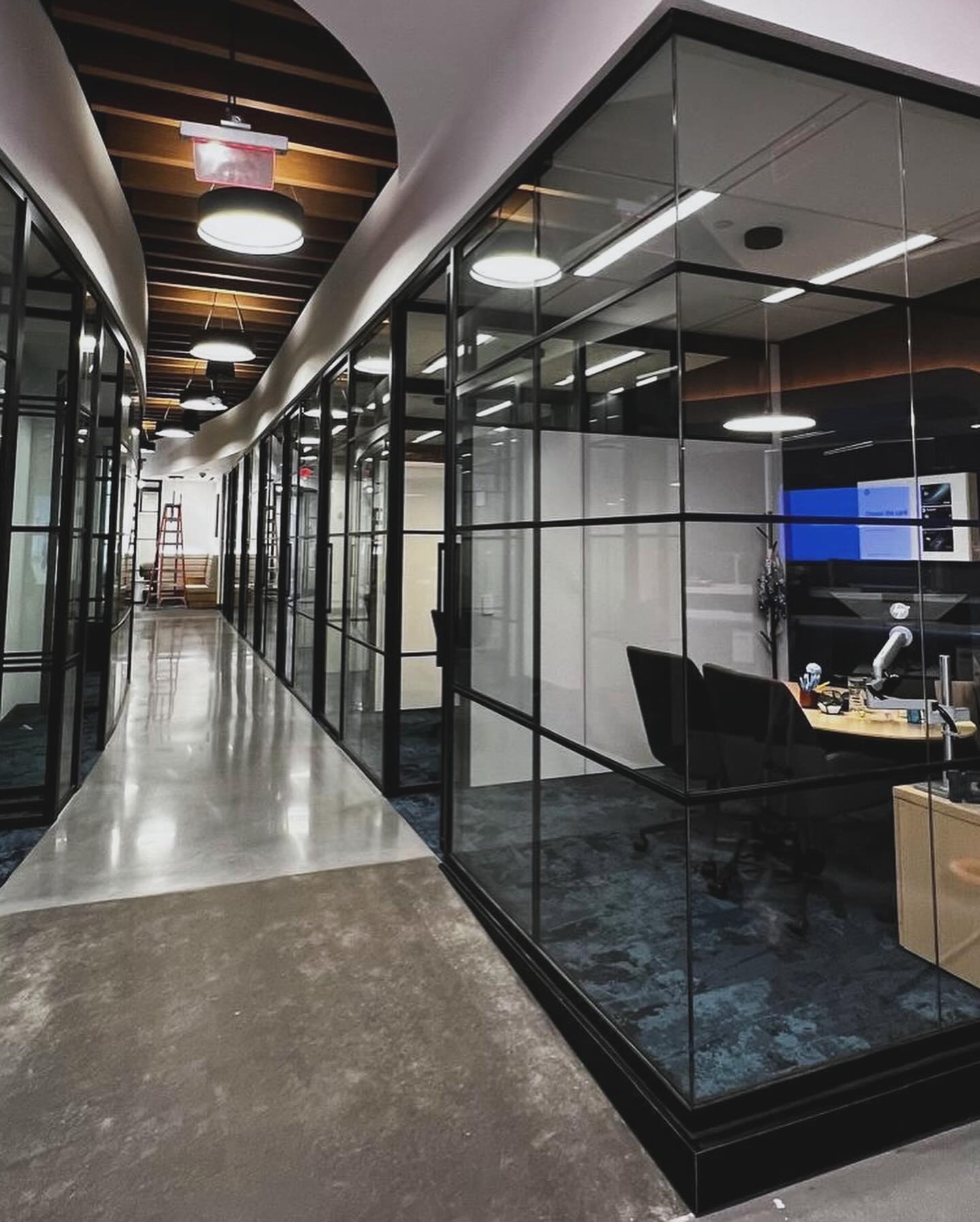
The First Call: What a Good Installer Will Ask You
Before any quote, a qualified commercial installer needs to understand your project scope. Expect questions about the space itself (square footage, floor number, building type, freight elevator access), the work required (furniture only, walls and furniture, full fit-out including millwork), your timeline (when the space must be ready for occupancy), and your occupancy status (is the space empty or are you installing while people work).
A good installer will also ask about your furniture dealer relationship. In commercial installation, the furniture manufacturer sells to a dealer, the dealer sells to you, and the installer handles delivery and assembly. Some installers work with any dealer. Others have preferred dealer relationships that can affect pricing and scheduling. Clarify this upfront.
Red flag: an installer who quotes without visiting the site. Every commercial space has conditions that affect installation - ceiling heights, column locations, floor conditions, electrical panel locations, building access restrictions. A quote based on floor plans alone will miss building-specific variables that change the price by 10-30%.
The Site Survey and Quoting Process
After the initial conversation, expect a site survey - a physical walkthrough of your space where the installer measures dimensions, photographs conditions, identifies potential conflicts, and reviews building access procedures.
During the site survey, a thorough installer will check ceiling height and type (drop ceiling tiles versus hard ceiling affect wall system attachment), floor condition and levelness (uneven floors require shimming for wall track installation), electrical panel location and available circuits, freight elevator dimensions and scheduling requirements, loading dock or street-level delivery access, and building management rules (insurance requirements, approved work hours, noise restrictions).
The quote should arrive within 3-7 business days and include a detailed scope of work (not just a lump sum), a project timeline with milestones, payment terms, insurance documentation, and warranty information. Get the scope of work in writing - verbal agreements about what is included cause the most disputes in commercial installation.
Expect pricing structured as a fixed-price quote, not time-and-materials. Fixed-price puts the risk of delays on the installer, not you. If an installer insists on time-and-materials pricing, they are either inexperienced with the scope or hedging against unknowns they should have identified during the site survey.
What Happens During Installation
Installation day starts with site protection. Professional crews lay floor guards (typically Ram Board or Masonite) over finished flooring, hang door frame protectors, and install corner guards on walls along the delivery path. This protection stays in place until the last piece of furniture is installed and the final cleanup is complete. If your installer does not lay floor protection before the first delivery, stop the project and discuss it - damage to finished floors is the most common and most expensive installation dispute.
The installation sequence follows a specific order: walls and partitions first (they define room boundaries), then millwork and built-ins (reception desks, credenzas), then systems furniture (workstations, benching), then seating, then accessories. Each phase must complete in a zone before the next phase begins in that zone - but multiple zones can run simultaneously with separate crews.
Expect your installer to maintain a clean site at the end of each work day. Debris should be removed, not piled in corners. Packaging materials should go into designated containers, not scattered across the floor. A messy site is a safety hazard and a sign of poor project management. The quality of housekeeping during installation usually predicts the quality of the finished product.
The Punch List: Your Most Important Leverage Point
Every commercial installation generates a punch list - a document of items that need correction, adjustment, or completion before the project is accepted as finished. Typical punch list items include: drawers that do not align, panels with visible gaps at seams, keyboard trays that stick, monitor arms that do not hold position, and power connections that were missed.
The average commercial project generates 50-150 punch list items. This is normal. Zero punch list items means nobody inspected carefully enough.
Walk the installation personally. Sit at every workstation. Open every drawer. Test every lock. Check every panel alignment. Run your hand along seams to feel for gaps you cannot see. Power on every outlet. These 20 minutes per workstation will save weeks of complaints from occupants who discover issues after move-in.
The punch list is your leverage. Do not make final payment until punch list items are resolved. Most commercial installation contracts structure payments as 50% at project start, 40% at substantial completion, and 10% withheld until punch list resolution. That final 10% is your guarantee that the installer returns to fix what needs fixing. Release it only when every item is resolved to your satisfaction.
48% of building owners report difficulty getting contractors to return for warranty work. A well-structured payment holdback eliminates this problem entirely.
How to Evaluate an Installer Before You Hire
Five things to verify before signing a contract:
Certifications. Ask for factory certification documentation for the specific products being installed. A Steelcase-certified installer is not automatically qualified to install Teknion. Certification is product-specific. Installing uncertified voids manufacturer warranties.
Insurance. Require a Certificate of Insurance naming your company and your landlord as additional insureds. Minimum coverage should include $1 million general liability, $1 million umbrella, and workers' compensation. Your building management will likely require this documentation before allowing work to begin.
References. Ask for three references from projects of similar scope in similar building types. Call them. Ask specifically about punch list resolution timeline, communication during the project, and whether the installer met the quoted price without surprise change orders.
Crew composition. Ask whether the crews are full-time W-2 employees or 1099 subcontractors. Subcontracted crews change from project to project - the people who did the reference project may not be the people who do yours. Full-time crews deliver more consistent quality because they work together regularly and have accountability to the company.
Warranty terms. Standard commercial installation warranties cover workmanship for one year after substantial completion. Some installers offer extended warranties on specific items (drawer mechanisms, panel alignment, power connections). Get warranty terms in writing, including response time commitments for warranty service calls.
Related Services
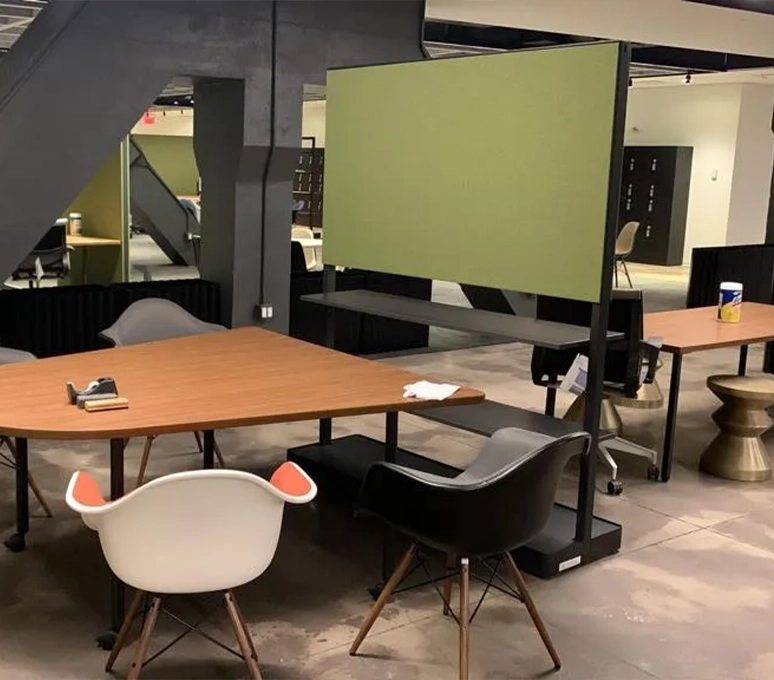
Office Furniture Installation
Workstations, conference rooms, reception areas, and ergonomic seating. Multi-brand certified.
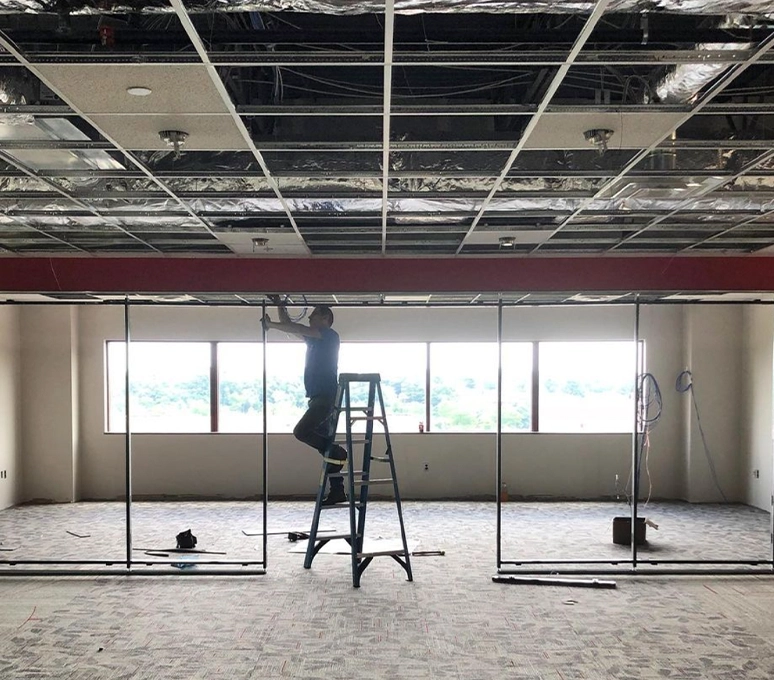
Custom Millwork & Woodwork
Architectural paneling, custom cabinetry, reception desks, and conference room millwork.
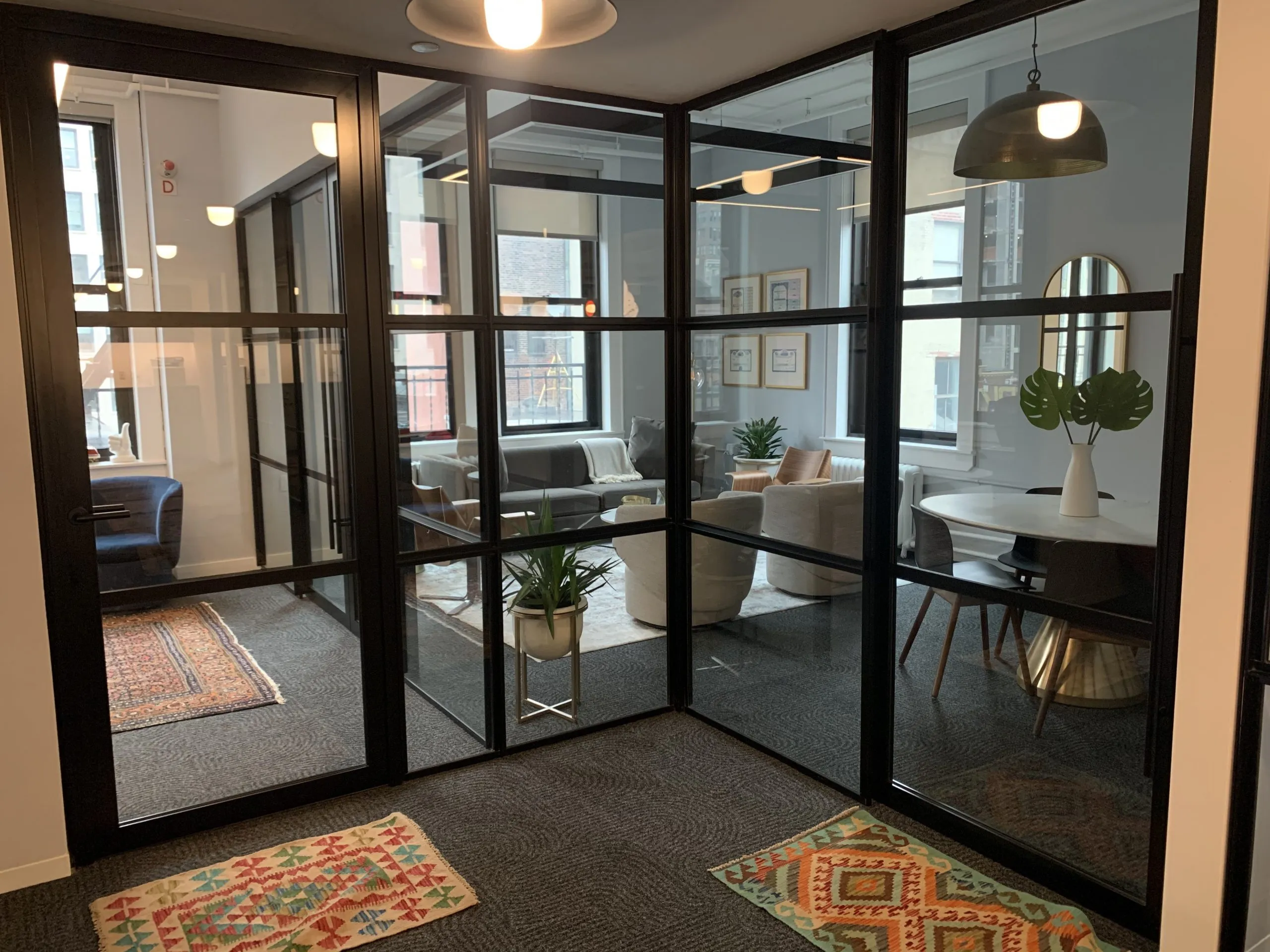
Commercial Office Installation
Full-service office fit-outs, build-outs, and renovations for corporate spaces.
See our cost guide for detailed per-square-foot pricing.
Need help with your project?
Get a free consultation and fixed-price estimate from our certified installation team.
About the Author

Innovative Projects
MBE/SBE certified commercial office installation. Serving NJ, NY & CT since 2019.